Source Waterproof Hemlock Outdoor Sauna for Home, Spa, and Gym
Find 30 waterproof hemlock outdoor sauna options for residential relaxation, commercial spas, and fitness centers. Compare solid wood models with steam or electric heating, tempered glass doors, and CE-certified controls to select the right unit for your space.
Key considerations
Products List




Comprehensive Sourcing Guide
Waterproof Hemlock Outdoor Sauna Sourcing Guide
Sourcing waterproof hemlock outdoor saunas requires a disciplined approach to material verification and structural integrity assessment. Hemlock is a preferred timber for sauna construction due to its tight grain, low resin content, and natural resistance to decay, making it suitable for both domestic and commercial environments. However, the term "waterproof" in outdoor contexts often refers to weather-resistant finishes and sealed joints rather than complete submersion capability. Buyers must distinguish between indoor steam saunas and outdoor infrared or dry heat units, as the waterproofing requirements and heating technologies differ significantly. The observed market includes products ranging from compact two-person units to larger commercial installations, with prices varying widely based on heater type, glass quality, and control systems.
Procurement decisions should be grounded in the specific operational environment of the sauna. Whether intended for a residential backyard or a commercial wellness center, the unit must withstand local climate conditions while maintaining internal thermal efficiency. The supplied data indicates a diverse product landscape, including wood barrel saunas, custom outdoor rooms, and modern design units. Each configuration presents unique challenges regarding insulation, ventilation, and electrical safety. Buyers must evaluate the supplier’s ability to provide customization, such as specific wood selections like red cedar or hemlock, and heater options ranging from electric stoves to far-infrared and steam generators. Understanding these variables is critical to selecting a unit that meets both aesthetic preferences and functional performance standards.
Product Scope and Observed Listing Signals
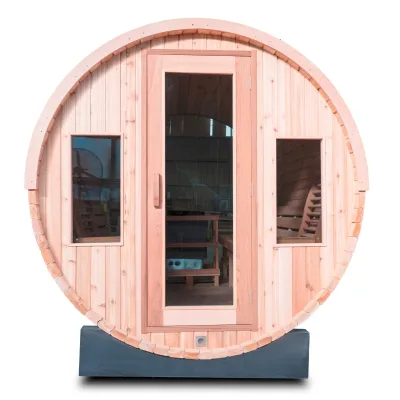
The current market for outdoor saunas features a variety of structural designs, including traditional wood barrel shapes and modern square or linear configurations. Observed listings highlight products with specific dimensions, such as 1800x2100mm for barrel models and 1200x1050x2300mm for outdoor room styles. These size variations directly impact capacity, with some units designed for two people while others accommodate larger groups. The presence of tempered glass, typically 8mm thick, is a common feature in modern designs, allowing for natural light while maintaining safety and thermal retention. Buyers should note that product names like "Wood Barrel Sauna" or "Outdoor Sauna Room" often correspond to distinct construction methods and heating mechanisms, requiring careful review of the technical specifications for each model.
Heating technologies vary significantly across the observed product range, influencing both the user experience and the electrical infrastructure required. Options include steam heat, ceramic heating tubes, and spectrum of biological energy systems, with electric furnace power selections ranging from 4.5kw to 15kw. Some units feature computer control panels for precise temperature management, while others rely on wall-mounted systems. The choice of heating material, such as hemlock wood for the barrel structure or specialized panels for infrared units, affects the durability and maintenance requirements of the sauna. Buyers must align their heating preference with the available power supply at the installation site, ensuring that the selected unit’s voltage and wattage requirements are met without overloading existing circuits.
Technical Specifications to Verify
Verifying the core material composition is the first critical step in evaluating an outdoor sauna. The supplied facts confirm that solid wood, specifically hemlock, is a primary material for many units, with some options offering red cedar as an alternative. Buyers must ensure that the wood is properly treated and sealed to resist moisture ingress, which is essential for outdoor durability. The construction quality of the joints, especially in barrel-style saunas, determines the unit’s ability to maintain a tight seal against steam and weather elements. Additionally, the thickness and type of glass used in windows and doors should be confirmed, with 8mm tempered glass being a standard safety requirement to prevent breakage under thermal stress.
Electrical and control system specifications require rigorous scrutiny to ensure safe and efficient operation. Units may feature computer control panels, FM stereo systems, and MP3/MP4 player compatibility, enhancing the user experience but adding complexity to the installation process. Buyers should verify the voltage requirements, with 220V being a common standard, and confirm the compatibility of the control panel with local electrical codes. The heating mode, whether steam, ceramic, or far-infrared, dictates the placement of heating elements and the necessary ventilation for heat distribution. It is also important to check the packaging details, such as foam and carton boxes or wooden crates, to ensure that the unit arrives without damage and that assembly instructions are clear and comprehensive.
Compliance and Safety Documentation
Compliance with international safety and electromagnetic standards is non-negotiable for outdoor electrical appliances. The observed product listings indicate that many manufacturers provide certifications such as CE, EMC, KC, FCC, LVD, ETL, and CB. These certifications cover electrical safety, electromagnetic compatibility, and low voltage directives, ensuring that the sauna’s heating elements and control systems do not pose a risk to users or interfere with other electronic devices. Buyers must request copies of these certificates and verify their validity with the issuing bodies, as counterfeit documentation is a risk in global trade. The presence of these certifications also facilitates customs clearance and ensures that the product meets the regulatory requirements of the destination country.
Safety features extend beyond electrical compliance to include structural integrity and user protection. Units with glass components must meet impact resistance standards, and the wood construction should be free from toxic treatments or finishes that could off-gas at high temperatures. Buyers should inquire about the after-sale service provisions, such as online technical support, which can be crucial for troubleshooting installation or operational issues. Additionally, the design style and project solution capabilities, such as modern design options, should be evaluated for their impact on safety and usability. Ensuring that the supplier provides clear documentation on maintenance procedures and safety warnings is essential for long-term user satisfaction and liability protection.
Cost Drivers and Commercial Terms
The cost of an outdoor sauna is influenced by several key factors, including the type of wood, heating technology, and level of customization. Hemlock and red cedar are premium materials that command higher prices due to their durability and aesthetic appeal. The choice of heater, whether electric, wood-burning, or far-infrared, also significantly impacts the final price, with higher wattage options and advanced control systems adding to the cost. Observed price ranges in the market span from $18 to $8900, reflecting the diversity of products from basic kits to fully equipped commercial units. Buyers should request detailed quotations that break down the cost of materials, labor, and shipping to understand the true value proposition of each offer.
Minimum Order Quantities (MOQ) and payment terms are critical commercial considerations for both individual buyers and bulk purchasers. The observed MOQ range of 1-100 sets indicates flexibility in the market, with many suppliers willing to accommodate single-unit orders for custom or high-end models. However, bulk purchases may offer significant discounts, making it worthwhile for commercial operators to consolidate orders. Buyers should also consider the packaging and shipping costs, as saunas are bulky items that require careful handling and specialized logistics. Understanding the lead times and production schedules is essential for planning installation dates, especially for custom units that may require additional manufacturing time.
Supplier Qualification and Quality Control
Evaluating supplier qualifications is essential to ensure the reliability and quality of the purchased sauna. Buyers should verify the supplier’s manufacturing capabilities, including their experience with wood processing and electrical assembly. The origin of the products, often listed as China, particularly Shandong province, should be cross-referenced with the supplier’s reputation and track record. Requesting references from previous clients, especially those in similar commercial or domestic settings, can provide valuable insights into the supplier’s performance and customer service. Additionally, buyers should inquire about the supplier’s quality control processes, including inspections during production and pre-shipment checks, to minimize the risk of defects.
Quality control extends to the verification of materials and components used in the sauna. Buyers should request samples of the wood and glass to assess their quality and suitability for outdoor use. The consistency of the wood grain and the absence of knots or defects are important indicators of craftsmanship. Similarly, the quality of the electrical components, such as heaters and control panels, should be verified through third-party testing or certification. Buyers should also assess the supplier’s ability to provide customization, such as specific dimensions or design features, and their responsiveness to technical queries. Establishing a clear communication channel with the supplier is crucial for addressing any issues that may arise during the procurement process.
Long-Term Procurement Checks
Long-term procurement success depends on the supplier’s ability to provide consistent quality and reliable after-sales support. Buyers should establish a framework for periodic quality audits, especially for bulk orders, to ensure that the products meet the agreed-upon specifications. Monitoring the performance of the saunas in the field, including any issues with heating, ventilation, or structural integrity, can provide valuable feedback for future purchases. Buyers should also stay informed about changes in safety standards and regulations that may affect the use and installation of outdoor saunas, ensuring that their inventory remains compliant.
Building a strong relationship with the supplier can lead to better pricing, priority production, and access to new product developments. Buyers should engage in regular communication with the supplier to discuss market trends, customer feedback, and potential improvements. This collaborative approach can help identify opportunities for customization and innovation, such as new heating technologies or sustainable materials. Additionally, buyers should consider the environmental impact of their procurement decisions, opting for suppliers who demonstrate a commitment to sustainable forestry practices and eco-friendly manufacturing processes. By focusing on long-term partnerships and continuous improvement, buyers can ensure the sustained success of their outdoor sauna offerings.
FAQs
What materials are used for waterproof hemlock outdoor saunas?
These saunas primarily use solid hemlock wood, though red cedar is also an option. The construction ensures durability for both commercial and domestic outdoor applications while maintaining a natural aesthetic.
Can I customize the size of a waterproof hemlock outdoor sauna?
Yes, customization is available for various dimensions such as 1800*2100mm or 2*2*2m models. Buyers can select specific sizes to fit their space while retaining the core hemlock wood structure.
Which certifications do waterproof hemlock outdoor saunas typically hold?
Products often carry multiple safety certifications including CE, EMC, Kc, FCC, LVD, ETL, and CB. These ensure compliance with international electrical and safety standards for outdoor heating units.
How is the temperature controlled in a waterproof hemlock outdoor sauna?
Temperature control is managed via a wall temperature control system with a computer control panel. This allows precise regulation of heating modes like ceramic tubes or steam heat for optimal relaxation.
What is the minimum order quantity for waterproof hemlock outdoor saunas?
The minimum order quantity can be as low as one set for custom models. Some standard units may require up to 100 units, depending on the specific supplier and product configuration selected.
Can waterproof hemlock outdoor saunas be used for commercial purposes?
Yes, these units are designed for both commercial and domestic usage scenarios. They are suitable for spas, hotels, or private homes seeking health and beauty benefits through steam or infrared heating.